Boar Bristle Brush Benefits and Why Your Beard Needs One
Written By Shaylynn Marks
You can use the best beard shampoo and other grooming products, but the type of beard brush you use afterward is just as important. The benefits of a boar bristle beard brush comes down to what those dense natural bristles do that your average hairbrush can’t as quickly and effectively.

What is a Boar Bristle Beard Brush?
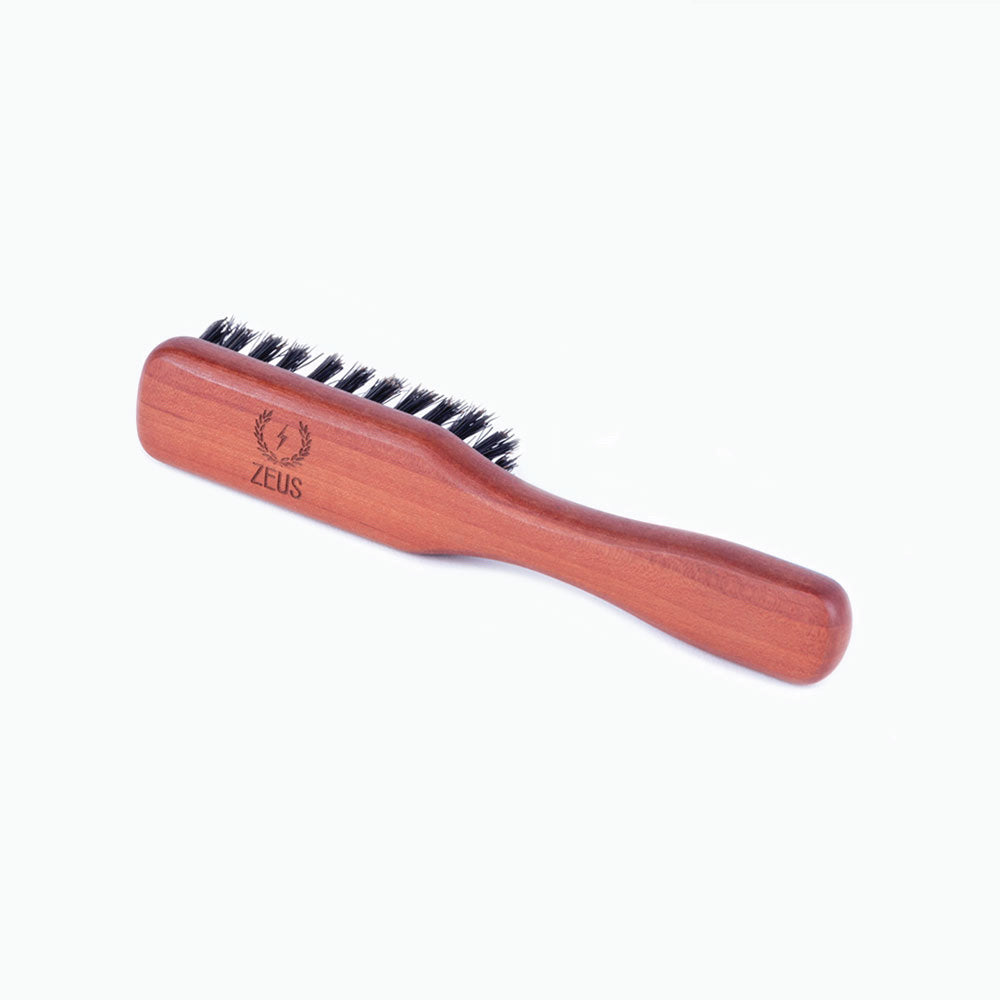
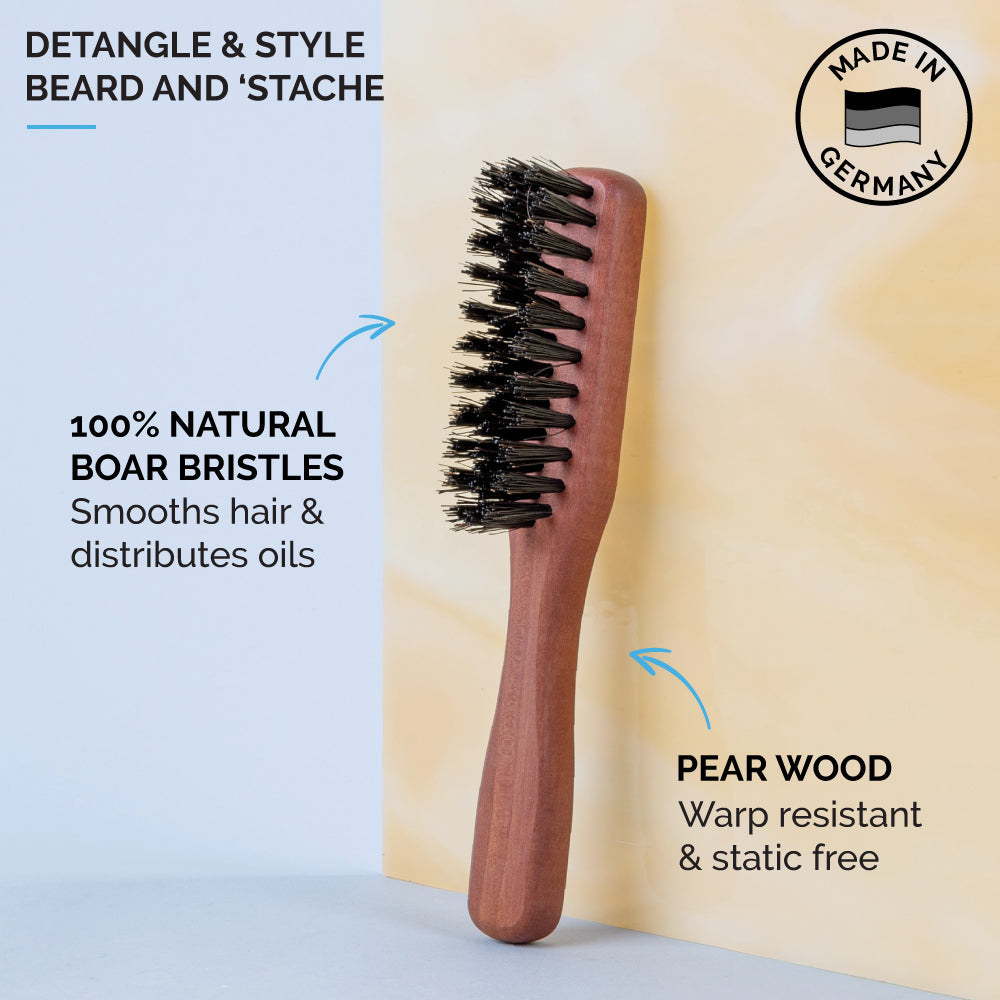
A boar bristle beard brush is a grooming tool made with natural bristles taken from boar hair instead of the typical plastic, nylon, or metal pins. It’s beyond old-school—men have been consistently using brushes with boar bristles for their beards for centuries, and for good reason.

Boar Bristle Brush vs. Regular Hairbrush: What’s the Difference?
A regular plastic or nylon hairbrush usually has longer, smoother, and more widely spaced pins. These can move through thick hair and help work out knots, but they are made to suit the hair on your head. They tend to not make as much contact with the beard’s outer surface.
A boar bristle beard brush is the ultimate conditioning, styling, and finishing tool. Its tightly packed bristles grip the hair, and efficiently move through the beard. It smooths the surface and can create distinct shapes.

What are the Benefits of a Boar Bristle Beard Brush?
1: Spreads Natural Oils and Beard Products Evenly
In short, a board bristle beard brush helps you avoid weird oily spots and random dry patches.
Boar bristles help move natural sebum (natural oils) from the skin through the length of the beard instead of leaving it concentrated near the roots. The same textured bristles can also spread beard oil or balm more evenly, helping dry areas get conditioned without creating heavy or greasy patches.
2: Smooths Frizz and Improves the Beard’s Finish
Instead of running widely spaced plastic pins through a beard, a boar bristle beard brush gives the beard that cleaner finish. As boar bristles pass over the beard, they help align its outer layer and smooth the hair cuticle. This can make coarse facial hair look softer, shinier, and less frizzy.
3. Helps Shape the Beard and Control Flyaways
The dense bristles create enough grip to catch stubborn hairs and guide them into place. This makes a boar bristle beard brush useful for refining the beard’s outline, directing hairs downward and creating a more controlled shape without making it look stiff or overly styled.
Is a Boar Bristle Brush Good for Every Beard?
Boar bristle beard brushes work best for short, medium, and long beard. If you have a very long, thick, or tightly curled beard, a wide-tooth beard comb or detangling brush is best to use first. Then, you can go back in with the boar bristle brush for shape and shine.
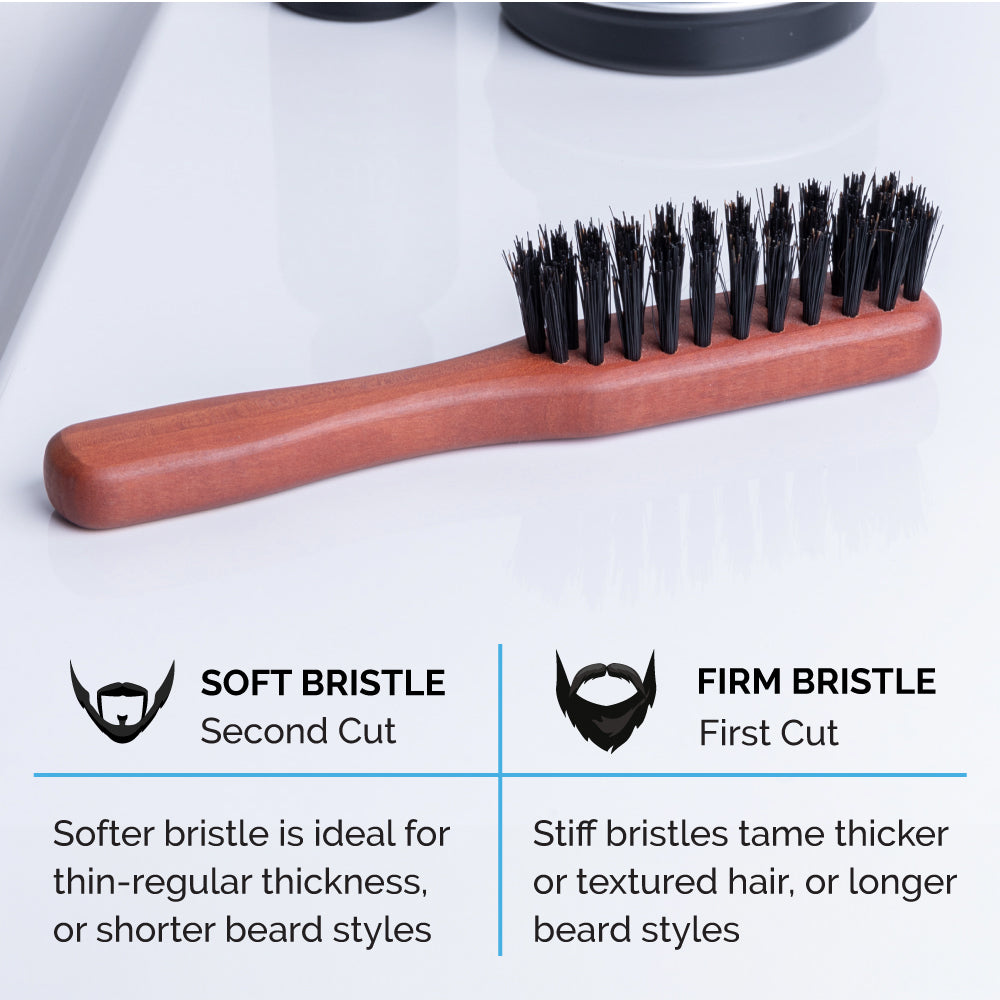
Your face shouldn’t feel like it’s being punished. Ultimately, choose a beard brush with a bristle firmness (yes, there are such thing as soft bristle brushes) that matches your beard length and texture, and avoid any brush that pulls or causes irritation.
How to Use a Boar Bristle Beard Brush
1. Start with a clean, dry, or slightly damp beard. If you’ve just washed it, don’t go rogue and rough it up aggressively with a towel. Just pat it dry.
2. Apply a few drops of beard oil or a small amount of balm, then brush from the roots toward the ends using slow, light strokes. Guide the sides downward and brush the underside in the direction you want it to sit.
3. For a longer or tangled beard, use a comb first. Starting off with a beard comb helps remove knots so the boar bristle brush can actually do its job instead of fighting your beard like it owes you money.
4. Finish with the boar bristle brush to distribute product, smooth the outer surface, and bring the final shape together. A few controlled passes during your regular routine is all you need—no need to overthink it or spend ten minutes “perfecting” one cheek.

How to Clean a Boar Bristle Brush
Remove Hair and Surface Build-Up
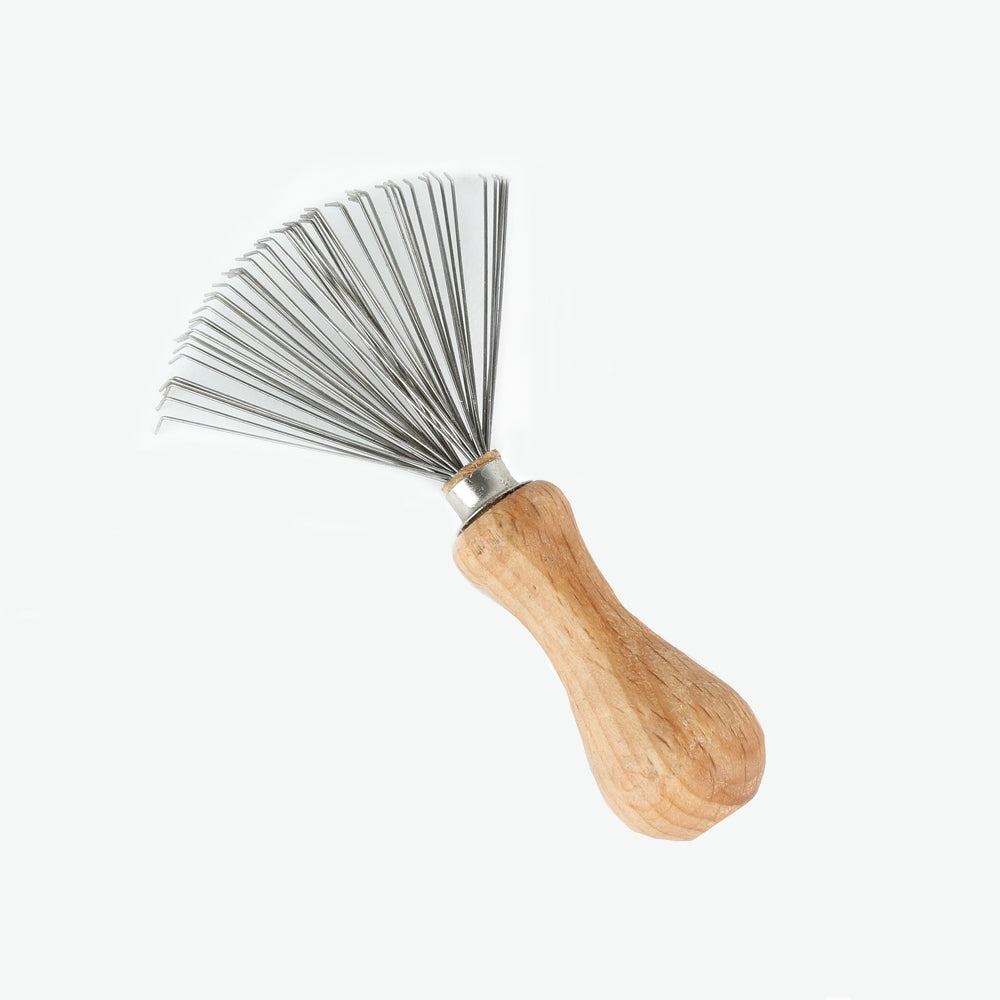
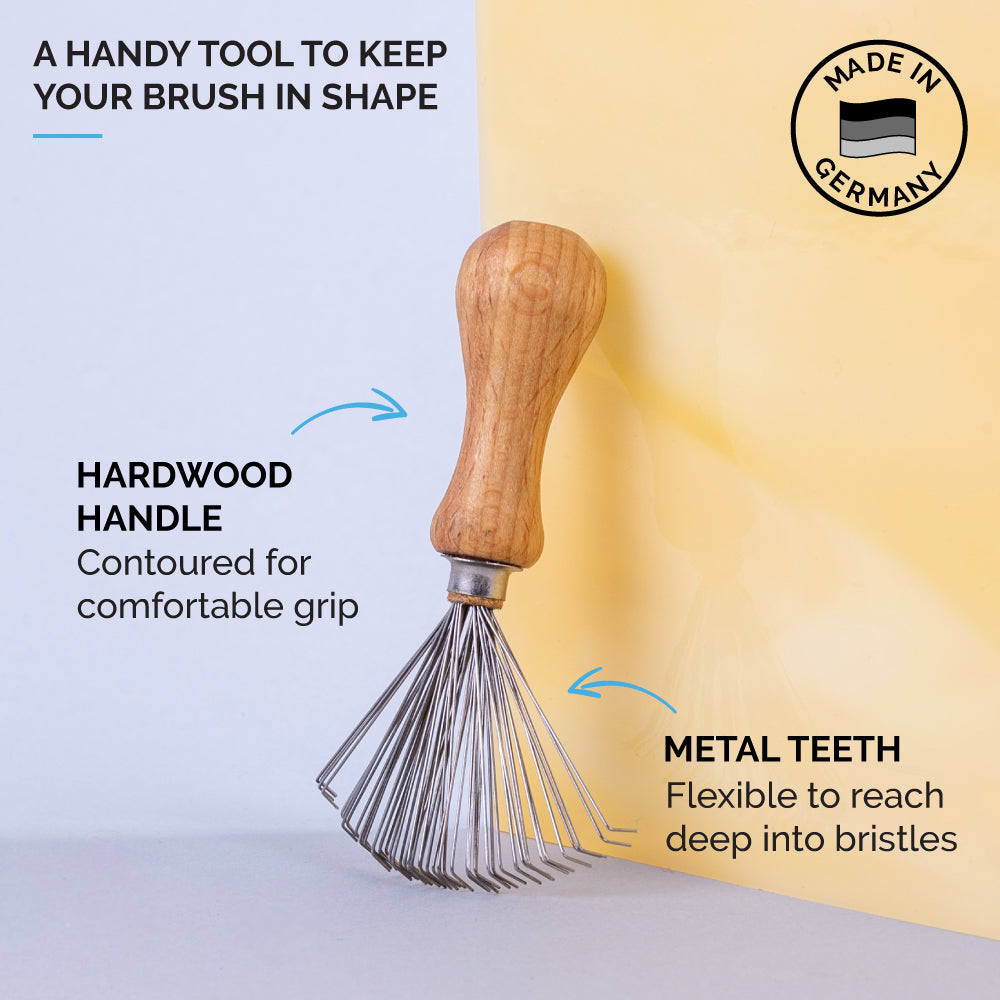
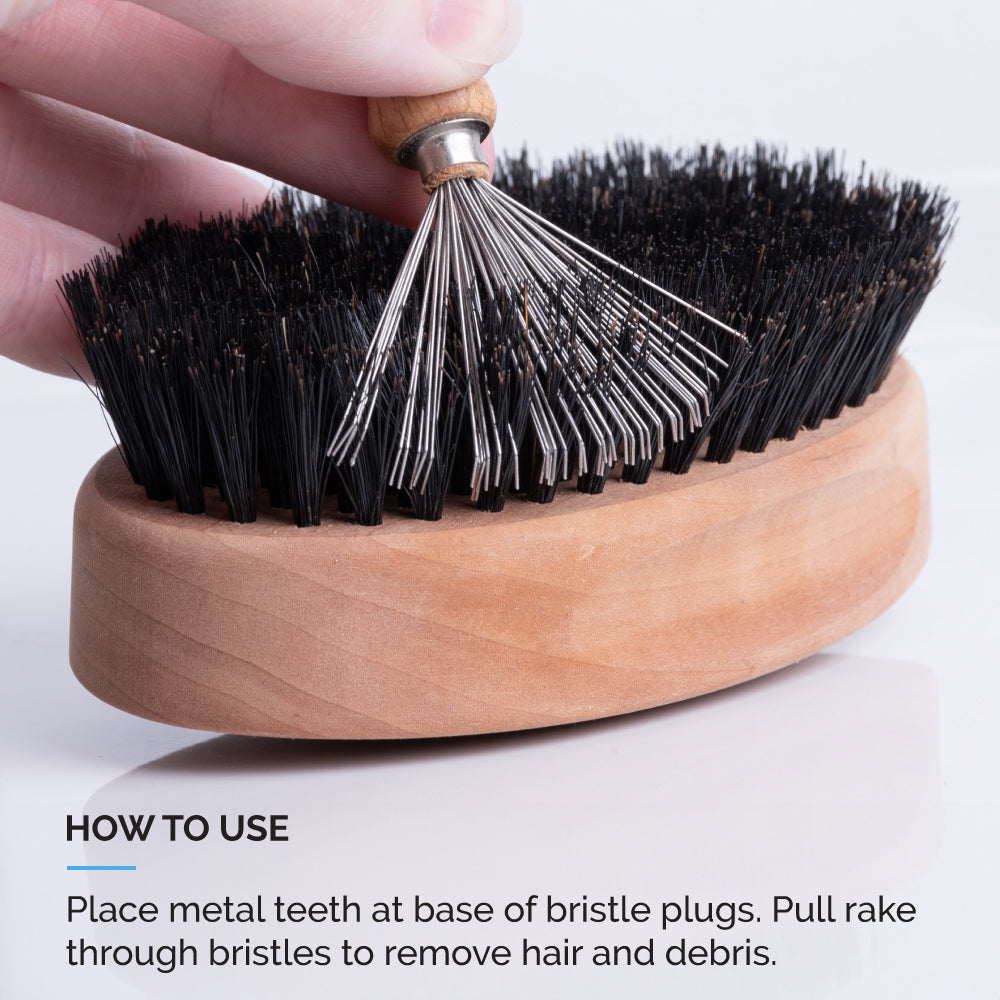
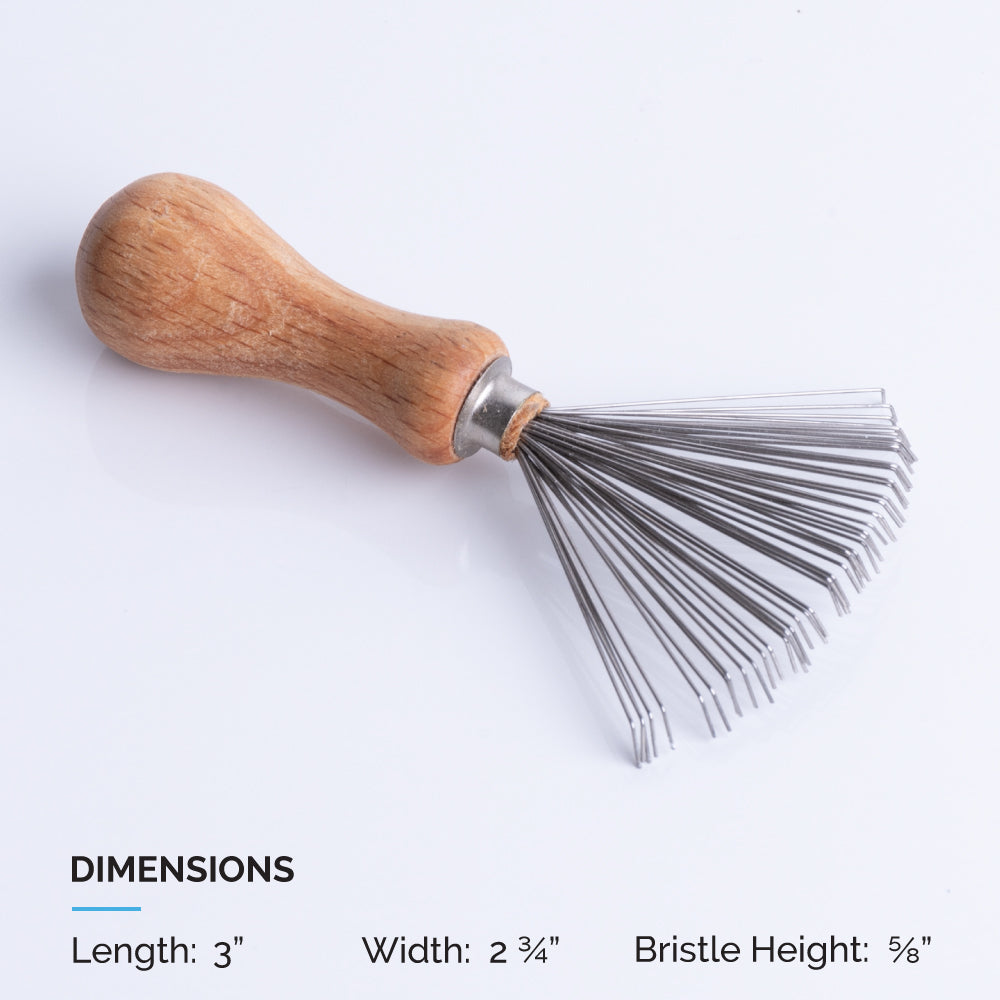
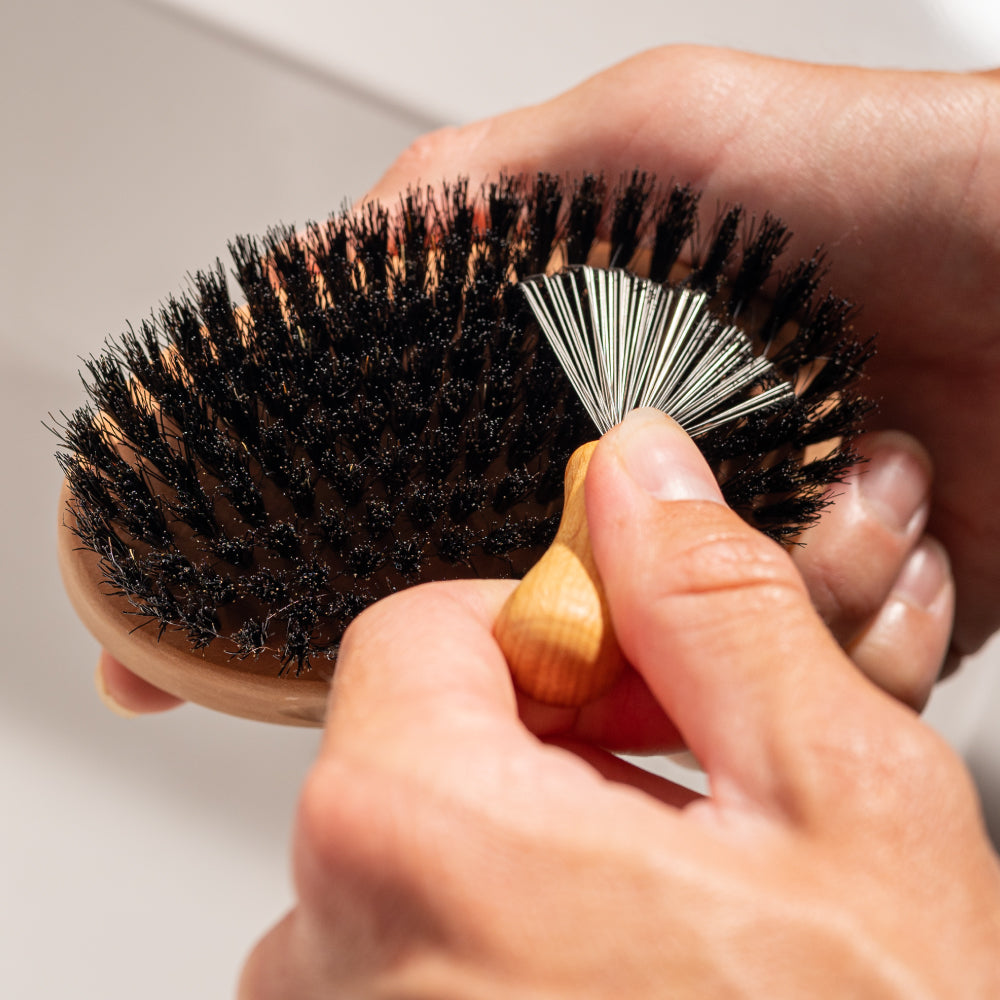
With your fingers, a comb, or a dedicated brush-cleaning tool, regularly remove trapped hairs. Doing this after every few uses prevents loose beard hairs, dry and dead skin flakes, and leftover product from building up between the bristles.
Putting it off can make the brush less effective over time and even harder to clean later. Whatever you do, don’t let it turn into a tiny beard graveyard.
Deep Clean Carefully (Without Soaking)
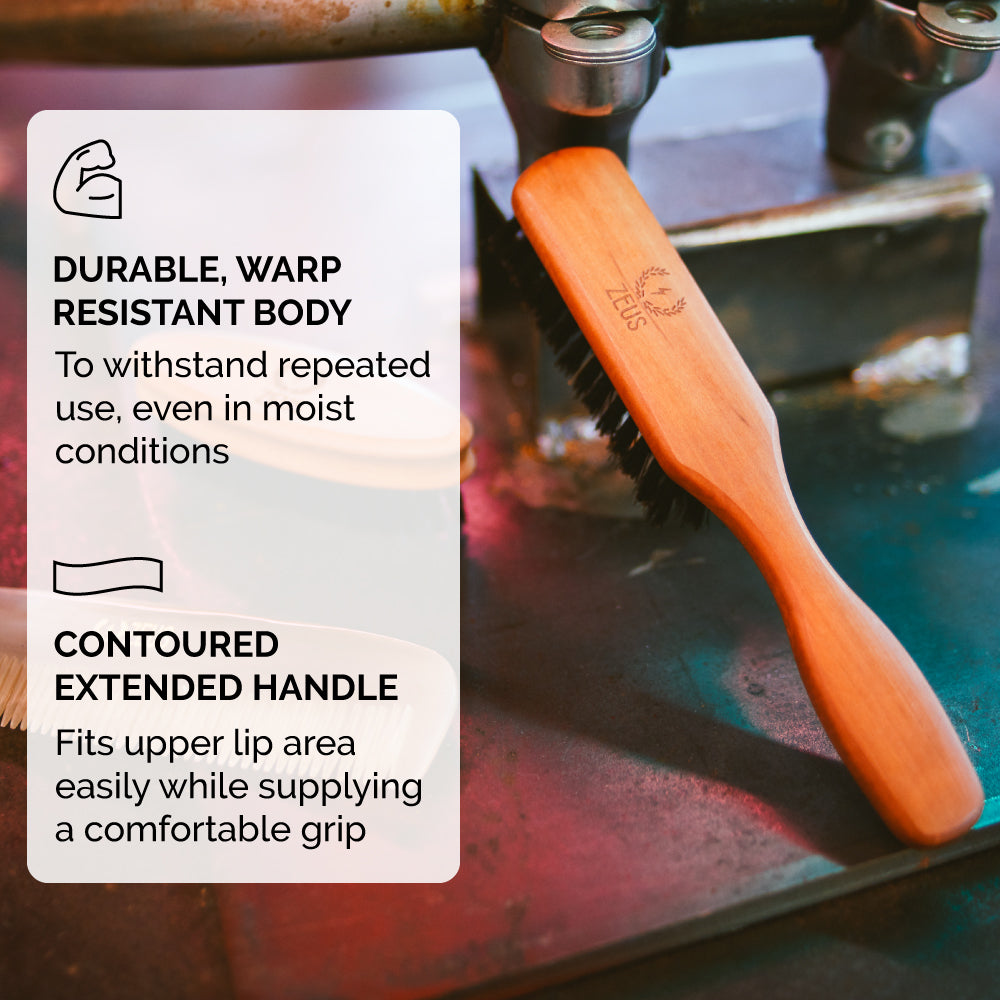
For a deeper clean, follow the manufacturer’s instructions for your specific beard brush. In most cases, you should avoid soaking wooden-handled brushes or fully submerging natural bristles in water, since excess moisture can warp the wood, weaken the adhesive, and eventually loosen the bristles. Instead, a light wash with mild soap and a damp cloth or quick rinse of the bristles (without soaking the base) is usually enough.
Dry It the Right Way
Let the brush air-dry completely with the bristles facing down or on its side so moisture doesn’t collect at the base. This helps preserve the structure of the brush and keeps it performing consistently. Just remember, wet brush = sad brush.
Why Cleanliness Matters
A clean brush ensures you’re spreading natural oils and beard products evenly through your beard—not redistributing old residue, dust, or buildup that can affect your beard health. Using a dirty beard brush can make your beard dull, weigh it down, and even produce flakiness or beard acne.

Boar Bristle is the Move
Low effort, high payoff, and no beard drama. A boar bristle beard brush is a simple upgrade that makes a noticeable difference in how your beard looks and feels. It helps distribute oils, smooths the hair, and keeps your beard more controlled with minimal effort. If you want a more manageable beard without overcomplicating your routine, it’s an easy tool to add and stick with.